Month-end figures are helpful, but viewed in isolation they can be misleading. A strong or weak month is often shaped by timing, seasonality, one-off costs or delayed receipts. Businesses that react too quickly to a single period risk managing noise rather than addressing what's really happening. That's why long-term trends matter.
Looking Past Short-Term Distortion
Reviewing performance over a longer period smooths out short-term volatility and exposes the underlying reality. Trailing Twelve Months (TTM) analysis, for example, removes much of the impact of seasonality and accounting timing, providing a clearer view of sustainable performance.
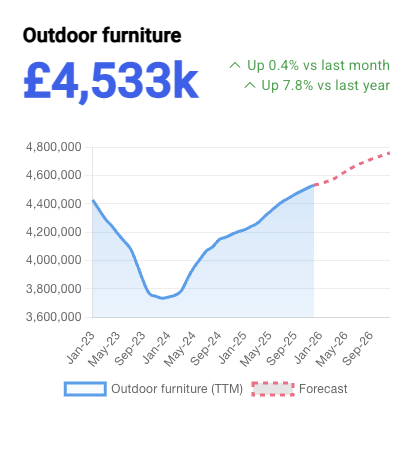
Trailing Twelve Months sales trends cut through seasonality, revealing underlying growth momentum beyond short-term monthly fluctuations.
It shifts the focus away from "how did we do this month?" to a more meaningful question: how is the business actually performing right now?
Insight: Trailing 12-month analysis removes seasonality and shows sustainable performance, not just monthly volatility.
Why Growth Trends Tell a Better Story
Growth is another area where short-term data can be deceptive. Month-on-month movements often fluctuate sharply, particularly in smaller or growing businesses. Long-term growth trends show whether demand is genuinely building, levelling off or declining.
They also help distinguish between momentum and coincidence. One good month doesn't indicate a trend. Consistent performance over time does.
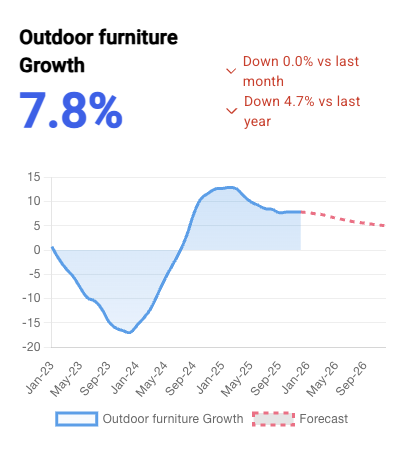
Long-term sales growth trends cut through monthly volatility, revealing whether demand is genuinely building, stalling or declining.
Seeing Performance Through Connected Measures
Trends become even more powerful when multiple measures are viewed together. Revenue growth alongside margin trends shows whether growth is profitable. Profitability alongside cash flow trends highlights the quality of earnings. Working capital trends reveal whether the business is becoming more or less cash-efficient as it scales.
These relationships are difficult to spot in standalone monthly reports, but they are critical to understanding the true health of the business.
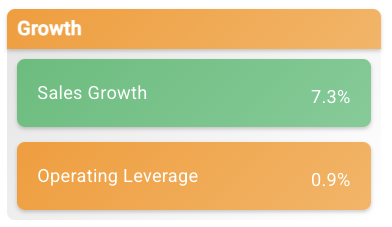
Viewing revenue growth and operating leverage together highlights the quality and sustainability of growth.
Making Better Decisions With Long-Term Context
Long-term analysis leads to better decisions. Investment, hiring and funding choices shouldn't be driven by short-term swings. Trend data provides confidence to act when performance is genuinely improving and early warning when pressure is building, while there is still time to respond.
Changing the Conversation
Perhaps most importantly, trends change the conversation. Instead of debating whether a single month was "good" or "bad", discussions focus on direction, sustainability and trajectory. That's a far more productive basis for decision-making, for both management and advisers.
The Bottom Line
Month-end numbers tell you what just happened. Long-term trends show where the business is heading. Businesses that understand the difference make calmer decisions, avoid overreaction and build success on evidence rather than guesswork.
See Trends, Not Just Monthly Snapshots
Actuly automatically tracks TTM performance, growth trends and connected metrics, giving you the long-term context that drives better decisions.
Get Early Access